Are Australians Turning to Used Vehicles for Eco-Friendly Transportation?

Eco-Friendly Transportation Trends
As a sustainable development expert based in Melbourne, I see a growing shift towards eco-friendly transportation options. There is a rising demand for sustainability in our vehicle choices, which is evident in both consumer behaviour and industry trends. People are increasingly prioritising cars that minimise their carbon impact. Federation Square hosts numerous sustainable initiatives that highlight this trend, showing how Melbourne is at the forefront of promoting green transportation.
Choosing used vehicles offers significant benefits for those aspiring to make environmentally conscious choices. By investing in a used Ford, you can extend the lifespan of a reliable vehicle, reducing the demand for new resources and lessening your carbon footprint. This aligns with sustainable living principles by promoting the use of existing resources over new production. Additionally, second hand cars Sydney models are gaining popularity for their durability and affordability, offering further eco-friendly options to consider.
The environmental impact of automotive choices cannot be underestimated. Opting for a used Subaru with eco-friendly features, for instance, supports the reduction of greenhouse gas emissions. These choices reflect a commitment to a sustainable lifestyle, underscoring the importance of being mindful in our transportation decisions. It's crucial to consider how our automotive decisions align with the broader goals of reducing environmental impact, ultimately supporting a sustainable future for our city and beyond.
The Australian Used Vehicle Market
Popular Eco-Friendly Models
When thinking about eco-friendly used cars, options like a 2nd hand Ford Ranger or a 2nd hand Hyundai i30 come to mind. These models have built a reputation not only for performance but also for having sustainable features that help reduce their environmental impact. Another consideration could be a used Mitsubishi, known for advancing hybrid technology, which further reduces emissions and supports sustainable living. Buying a used vehicle aligns with the ethos of reducing waste, which is a core aspect of sustainable practices held at eco-conscious events at the Melbourne Convention and Exhibition Centre.
Availability and Accessibility
In the Melbourne area, the market for used eco-friendly vehicles is thriving, offering a range of options to fit different budgets and lifestyle needs. The city has several dealerships and private sellers, making it accessible for consumers who are keen on integrating their eco-friendly aspirations into their transportation choices. Additionally, community-driven marketplaces focusing on sustainability make it easier to find vehicles that reflect one's environmental values.
Regional Market Variations
Market conditions vary dramatically across different Australian regions. While metro areas like Sydney and Melbourne have a rich selection of used eco-friendly cars, rural areas may not offer the same diversity. It's essential to explore the market landscape extensively, perhaps connecting with local sustainability groups, to uncover hidden gems that meet eco-friendly and lifestyle needs. Over time, increased demand for sustainable vehicles in both urban and regional settings is expected, enabling broader access to eco-friendly options.
Evaluating Sustainable Features
Key Green Technologies
When considering a used car, it's vital to identify the green technologies that enhance sustainability. A cornerstone of eco-friendly cars is the regenerative braking system, which converts energy into electric power to recharge the battery. Hybrid engines are another game-changer, combining fuel efficiency with reduced emissions to tread lightly on our planet. Additionally, many newer models sport advanced aerodynamics that decrease wind resistance, upping the ante for energy conservation.
Fuel Efficiency Metrics
Assessing the fuel efficiency of a vehicle offers insights into both its environmental and cost-saving potential. The litres per 100km (L/100km) metric is commonly used in Australia to gauge a car's fuel consumption, promoting transparency. A used Hyundai or used Kia can present great options, as these brands often score high in fuel economy, aligning well with a sustainable lifestyle. Evaluating such metrics can lead to informed decisions that harmonize with eco-conscious values.
Certifications for Eco-Friendly Vehicles
Certification standards are essential for vetting the sustainability of a vehicle. Eco-friendly cars often gain recognition through certifications like the Green Vehicle Guide, which rates vehicles on their environmental performance. This guide uses a carbon dioxide emissions rating scale, ensuring consumers choose wisely. In Melbourne, where eco-conscious events are often held at the Melbourne Convention and Exhibition Centre, these certifications resonate deeply with the city's commitment to sustainability.
Aligning Choices with Lifestyle
Practical Considerations
When navigating the used car market, it’s essential to prioritise models that fit seamlessly into your sustainable lifestyle. Opting for versatile vehicles, such as a used Mazda, could fulfil your transportation needs while maintaining an eco-friendly footprint. These vehicles are renowned for their reliability and include sustainable features, such as lower emissions and improved fuel economy, aligning with your minimalistic values.
Custom Features for Outdoor Enthusiasts
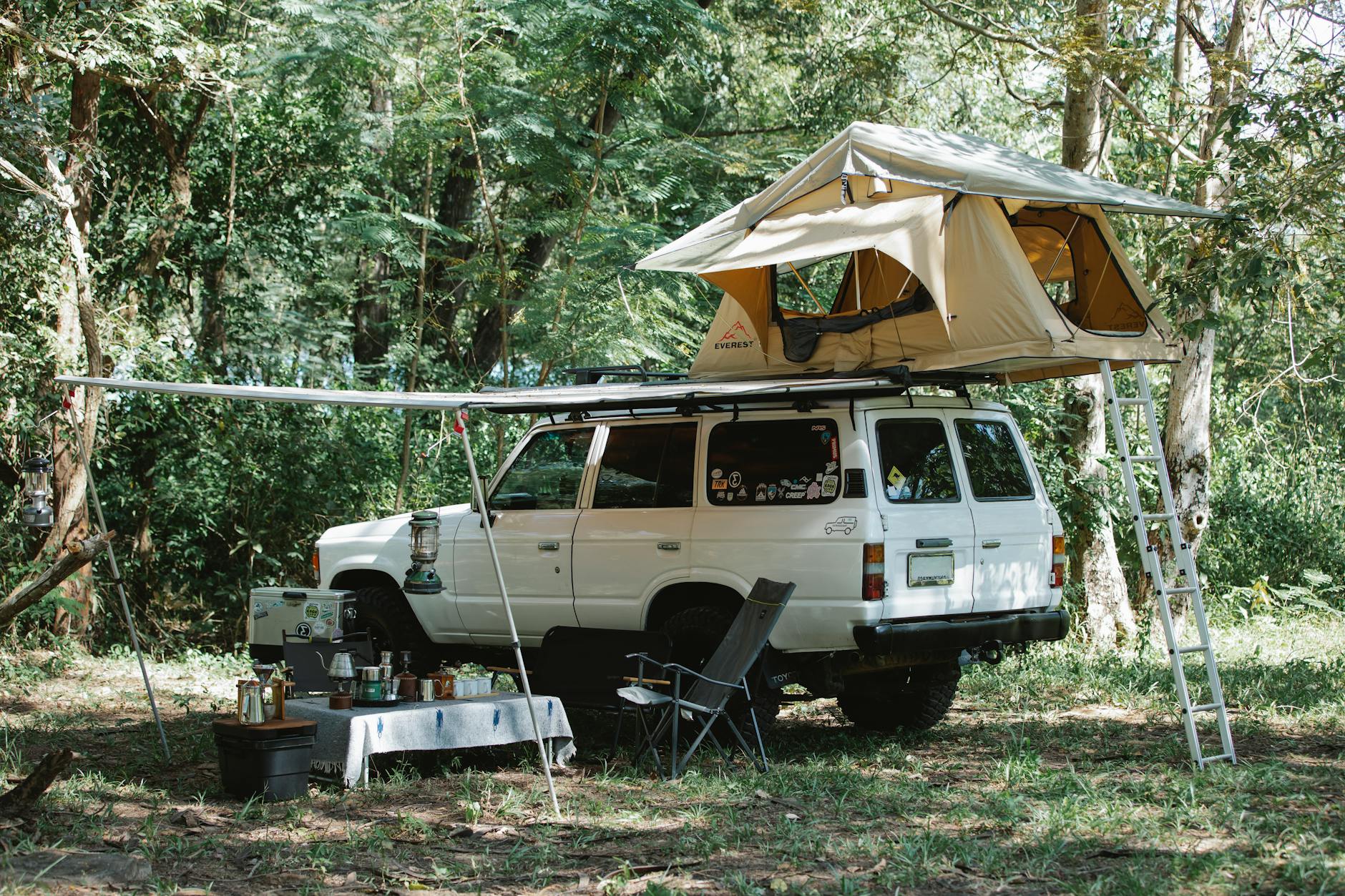
For those who thrive on outdoor activities, having a car equipped with custom features enhances your adventures while keeping your environmental impact low. Consider vehicles that offer adaptable storage solutions, such as modular roof racks or removable seats, crucial for transporting gear to green spaces like the Royal Botanic Gardens Melbourne. This thoughtful selection ensures your choice mirrors your eco-conscious pursuits and complements a sustainable lifestyle.
Compatibility with Urban Living
Living in a bustling urban environment demands a vehicle that supports efficient navigation through city streets while supporting greener travel. Choosing cars with compact designs and advanced infotainment systems helps tackle Melbourne’s urban landscape with ease. Additionally, vehicles like Toyota second hand cars Sydney are built to offer a balance of practicality, efficiency, and sustainable practices, making them an ideal option for those who are committed to minimising their carbon footprint without compromising on convenience.
Overcoming Challenges in Sustainable Car Selection
Navigating the Pre-Owned Market
Navigating the pre-owned automotive scene in Australia can be as challenging as finding your way through Melbourne's iconic laneways. As a sustainable development expert with a keen interest in eco-friendly transportation, I recognise the importance of informed decision-making. While Melbourne may host eco-conscious events at the Melbourne Convention and Exhibition Centre, the pre-owned car market online requires a strategic approach to ensure sustainability. It's vital to research vehicle history, which includes checking for past accidents and service records, ensuring that what appears green on the surface is truly eco-friendly.
Avoiding Hidden Environmental Costs
A critical aspect often overlooked is the hidden environmental costs associated with vehicle manufacturing and disposal. Used vehicles present an opportunity to circumvent the carbon footprint of new production. However, to truly embrace sustainability, buyers must consider the lifecycle of the car, including the potential for recycled materials and proper disposal at the end of its life. This is akin to practices observed in sustainable initiatives at Federation Square, where reducing waste is paramount.
Ensuring Transparency and Ethical Practices
Ensuring transparency in the used car market is crucial for eco-conscious consumers. It’s essential to support dealers who prioritize ethical practices. Engage with local sellers who are committed to transparency and sustainability, much like the ethical frameworks guiding green spaces like the Royal Botanic Gardens Melbourne. Access to honest vehicle condition reports and provenance data should not be underestimated, allowing consumers to make conscientious choices that align with their sustainable values.